

Published on: 02/01/2026


Description
The proposed expansion of an open pit coal mine in British Columbia is raising concerns about downstream water pollution in the Columbia River Basin.
Elk Valley Resources Operations Limited, which operates five coal mines in the Elk Valley, argues that the proposed expansion of its Fording River Mine is necessary to ensure employment and economic growth in the region. Under the proposal, 280 million metric tons of coal would be removed from a 3,000-acre area in the Elk Valley of British Columbia.
But many of the participants at a Jan. 22 forum on the project were more concerned about the 3 billion cubic meters of so-called “waste rock” that miners would need to toss aside to reach the coal-rich seams buried in the mountains.
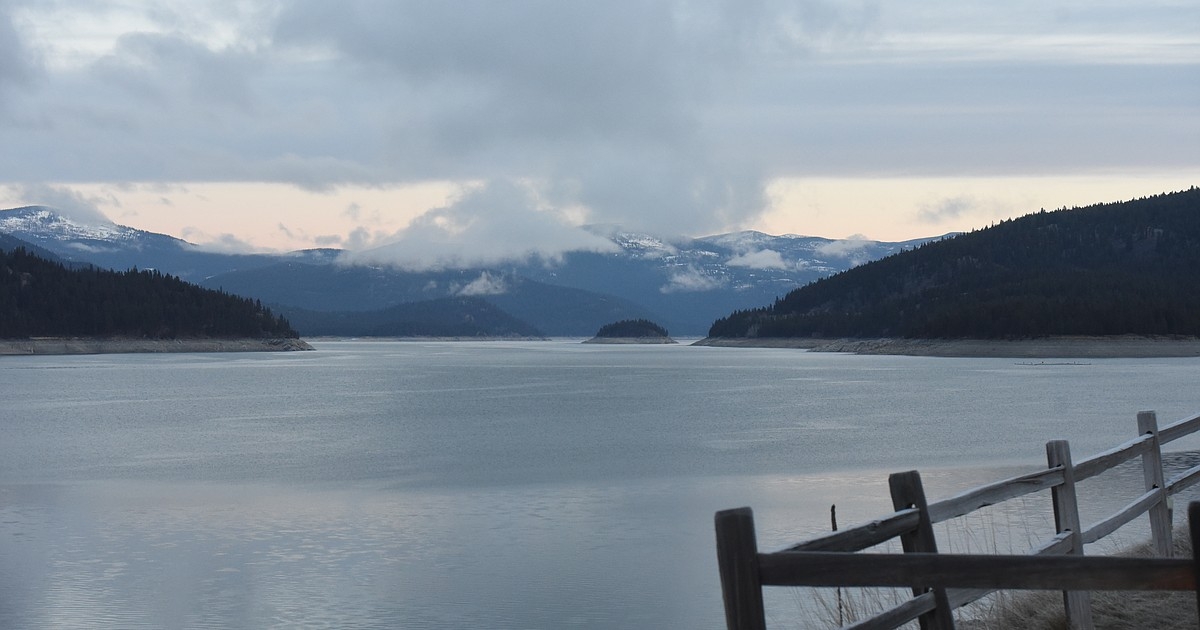
When exposed to rainfall, the mounds of excavated rocks have been known to leach large amounts of a naturally occurring metalloid called selenium into nearby streams. The selenium is carried downstream, first to the Elk River and then into Lake Koocanusa.
While considered an essential nutrient in small doses, large amounts of selenium can lead to neurological and reproductive defects in fish. In humans, excess levels of selenium can cause gastrointestinal distress, organ failure and, in rare cases, death.
One study conducted by the United States Geologic Survey found that selenium concentrations in the Elk River increased by 581% between 1980 and 2020, a change that researchers said was largely attributable to the mining operations in the Elk Valley.
While the mining company has invested in water cleaning technologies, selenium concentrations in some segments of the watershed continue to exceed levels considered safe by the United States Environmental Protection Agency.
“We had expected that there to be more progress on concerns around existing operations before this decision was at our tables,” wrote the Ktunaxa National Council in a letter reviewing the project. “There are still water quality non-compliances from EVR’s current operations that will likely be exacerbated should this project be approved. In any case, contemplating an expansion while compliance has yet to be achieved is not acceptable.”
“We aren’t blind to the fact that there are large tracts of land that have been impacted by mining in the valley and large tracts of streams that have issues that are above water quality guidelines,” said Sheldon Reddekopp, a project assessment director for British Columbia’s Environmental Assessment Operations, during the Jan. 22 meeting.
Reddekopp said the agency plans to assess the cumulative effects from the mine expansion through an environmental assessment during an upcoming stage of the review process. The assessment will form the groundwork for both the provincial and federal environmental assessment agencies to issue a final decision on the project. The entire process is expected to extend through spring of 2028.
The United States and Canada have long diverged in their recommendations for the Columbia River Basin, and it is unclear whether Canadian officials will consider the United States’ more stringent parameters in their analysis.
In 2025, selenium concentrations in Lake Koocanusa peaked at 1.8 micrograms per liter, below the Canadian standard of 2.0 micrograms per liter but well above the current U.S. standard of 0.8 micrograms per liter.
BOTH THE Lincoln County Board of Commissioners and Elk Valley Resources, under the former name of Teck Coal Limited, submitted petitions to the Montana Department of Quality in 2021 to invalidate the site-specific selenium standard for Lake Koocanusa.
In April 2022, the Board of Environmental Review, the quasi-judicial body that oversees environmental permit disputes, ruled in favor of Teck and Lincoln County. The Department of Environmental Quality and a league of environmental nonprofits subsequently filed two separate lawsuits disputing the board’s ruling. Both suits are ongoing.
The Lincoln County Board of Commissioners submitted a second petition to the Montana Department of Environmental Quality in 2025, which argued once again that the selenium standard for Lake Koocanusa should be raised to 1.5 micrograms per liter. The state environmental agency denied the request.
The petition landed Lincoln County back in the courtroom. Montana Environmental Information Center filed suit against the county on Jan. 23, after commissioners allegedly failed to supply public records related to the petition in a timely manner. The nonprofit filed a right to know request under state and federal public records laws on July 9, 2025, according to the lawsuit. No records had been supplied as of the lawsuit’s filing.
The Elk Valley mining company has met with the Lincoln County Board of Commissioners before to discuss selenium standards in Lake Koocanusa. Minutes from a March 30, 2022 meeting state that a representative from the company named Trevor Hall “discussed that Teck favors legal scientific based standards and conveyed that DEQ standards in this site specific do not reflect real scientific data. Trevor said today’s meeting is to help provide data and facts to help commissioners make decisions.”
Reporter Hailey Smalley can be reached at 758-4433 or [email protected].
News Source : https://dailyinterlake.com/news/2026/feb/01/proposed-mine-expansion-revives-selenium-pollution-concerns/
Other Related News
02/01/2026
Half of the 40 people in attendance at the recent Whitefish City Council meeting made pub...
02/01/2026
Columbia Falls City Council last month approved a general direction for future growth in ...
02/01/2026
The Trump administrations hardline approach to immigration policy sparked a rush of immig...
02/01/2026
They ran in the frigid sun of the day They ran in the night under a cold January crescent...
01/31/2026
More than a hundred people gathered beneath a blustery winter sky Friday to celebrate the...
Follow


Download Our App


Copyright 2023 © Meet Montana. All Rights Reserved