

Published on: 01/21/2026


Description
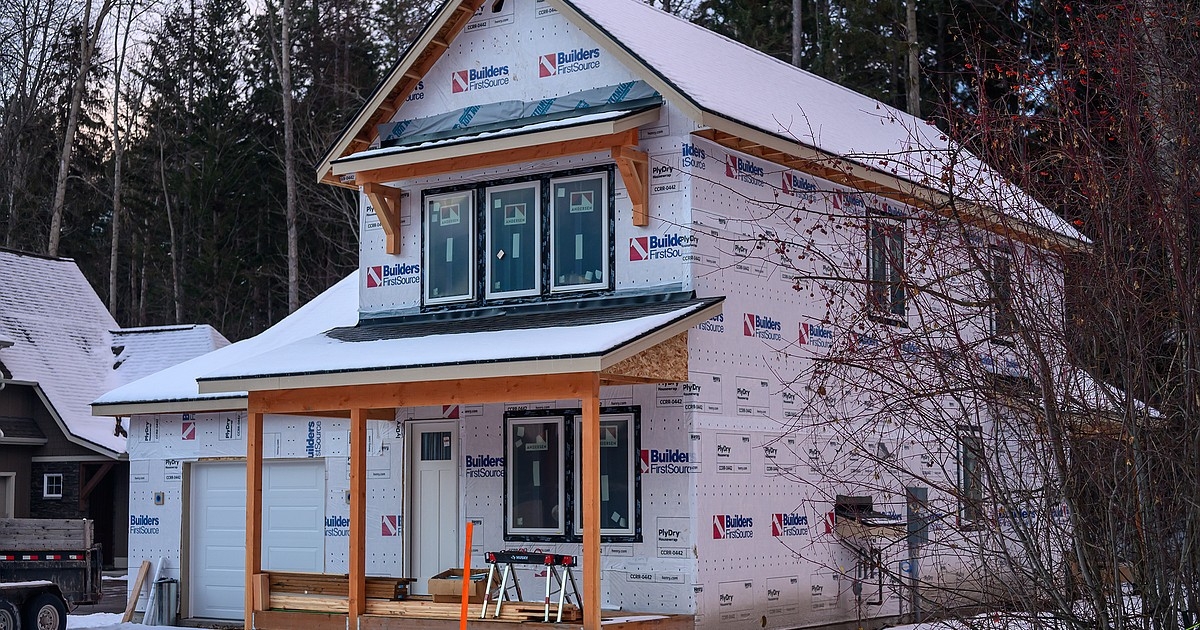
Columbia Falls is considering a temporary moratorium on some housing projects outside city limits until it gets a better idea of its sewage treatment capacity.
The problem with the city’s sewage plant is not a hydraulic issue. It can physically take at least 2 million gallons of sewage a day. The issue is permitting and what it can legally discharge treated sewage into the nearly pristine Flathead River it terms of nitrogen and phosphorous.
Columbia Falls has never exceeded its permit to date, but as more and more developments are proposed, the city may have to upgrade its treatment plant to accommodate more sewage.
The moratorium, if enacted, would not affect single family homes in the city limits, but could impact projects outside the city that aren’t already permitted.
On Jan. 8 the city’s Planning Commission, after a nearly two-hour long discussion, voted for a policy recommendation to Columbia falls City Council that would encourage infill in the city limits and developments that are adjacent to the city limits with an emphasis on multi-family housing.
According to a report to Council on Jan. 5, the current sewage treatment design capacity is 710,000 gallons per day and can support a projected service population of about 8,174 people. Currently, the system serves about 6,280 people, which includes Meadow Lake Water and Sewer District under contract with the city. That leaves a remaining allocation capacity of about 1,894 people.
However, the city has previously approved projects, like Tamarack Meadows in Meadow Lake as well as townhomes and other projects along Meadow Lake Boulevard outside the resort community. That’s a total allocation of 540 people. The city also has current/near-term development applications, including Teakettle Heights on the former the Columbia Falls Aluminum Co. property. All told, the Teakettle Heights and other projects would be an additional 1,560 people, or about 200 more residents than the current wastewater treatment can handle.
Thus the talk about a moratorium on developments outside of city limits.
“The moratorium won’t impact (building) single family home on a lot in the city limits,” City Manager Eric Hanks told Council Jan.5.
The discussion dove into the nitty-gritty details at the Jan. 8 city Planning Commission meeting. Commission member Justin Ping noted that proposed developments like River Highlands east of the Flathead River didn’t fit the city’s needs or the recommendations of the city’s housing study, so it should be a lower priority.
On the other hand, the proposed Teakettle Heights subdivision would provide a mix of apartments, townhomes and single family homes, which better suited city needs, he noted.
The commission agreed and after taking some advice from City Attorney Justin Breck, voted to keep the language of its recommendation fairly broad, though the city will also have a reserve sewer capacity for the time being of about 400 people to accommodate any projects in the city limits that might come up.
But most proposed developments, even if approved immediately, wouldn’t come online for at least a few years. Teakettle Heights, for example, needs city sewer and water extended to the property, as do most other projects.
The city will also take a closer look at its existing sewage treatment plant capacity this fall, which will be a full year after its new bioreactor has been online (the treatment plant just saw about a $4 million upgrade made possible through federal funds provided during the Biden administration).
The expectation, according to Hanks, is that sewage treatment capacity will be higher after it's fully analyzed this fall.
There could also be some wiggle room in the development numbers. For example, the city approved Garnier Heights, a subdivision proposed by developer Mick Ruis off Meadow Lake Boulevard that had more than 100 units total.
That subdivision has never been built and the plat expires in June. Ruis could take that allocation and apply it to Teakettle Heights, which is also his project.
Teakettle Heights, in its initial phases, would have about 844 people.
Meanwhile, the city’s housing study projected Columbia Falls would need about 600 homes in the next 10 years or so and about double that if the population continues to rise.
In other words, the city could meet the study’s projections much sooner than projected.
Hanks told the commission that the projected growth rates in the study weren’t realistic and should adjusted higher.
News Source : https://dailyinterlake.com/news/2026/jan/21/city-considers-temporary-moratorium-on-nonadjacent/
Other Related News
01/21/2026
Al Wallenstein The Flag Man has been an honest man trying to make a living selling his wa...

01/21/2026
The Whitefish High School speech and debate team brought home the hardware at a Bigfork t...

01/21/2026
Glacier and Flathead high schools speech and debate teams placed second and third in Butt...
01/21/2026
Kalispell Mayor Ryan Hunter pitched a slew of housing initiatives and land use reforms at...
01/21/2026
South Kalispell firefighter Ben Brown 25 died Jan 18 in an accident involving his own veh...

Follow


Download Our App


Copyright 2023 © Meet Montana. All Rights Reserved